

Explore the Benefits of the HVAC Zone Shut-Off Valve Solution for Energy Efficiency
- 2026-08-05 14:31:43
- admin
- NO COMMENTS
How HVAC Zone Shut-Off Valve Solutions Improve Energy Efficiency
On a winter morning in a three-story residential building, the boiler room may appear to be working normally. The circulation pump is running, supply-water temperature is stable, and every thermostat is calling for heat. Upstairs, though, one bedroom remains cold while a rarely used guest room is almost too warm. Near the manifold, an actuator makes a faint clicking sound each time it tries to move. The valve stem shifts, pauses, then returns halfway.
Engineers inspecting this type of climate control problem usually look beyond the thermostat first. A partially stuck zone shut-off valve can create an uneven pressure distribution across the hydronic loop. Another common issue is a seat that no longer seals completely, allowing hot water to continue passing through a zone after the thermostat has stopped calling. The symptoms seem small—an unusual noise, a delayed response, or a room that drifts two degrees above setpoint—but together they increase pump runtime, heating demand, and occupant complaints.
A reliable HVAC zone shut-off valve solution addresses the problem at the point where comfort and water flow meet. It does not create energy efficiency by itself. It gives the control system the mechanical authority to send heating or cooling only where it is needed.
Overview of HVAC Systems
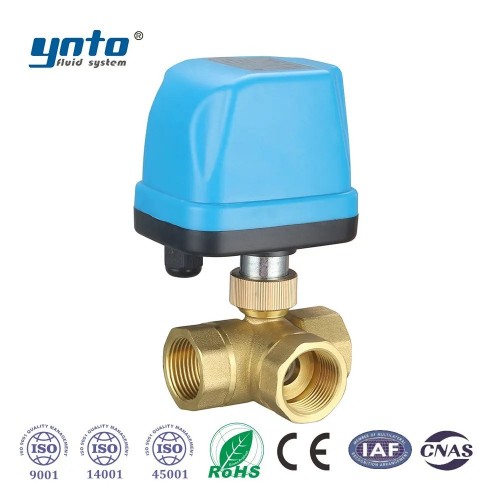
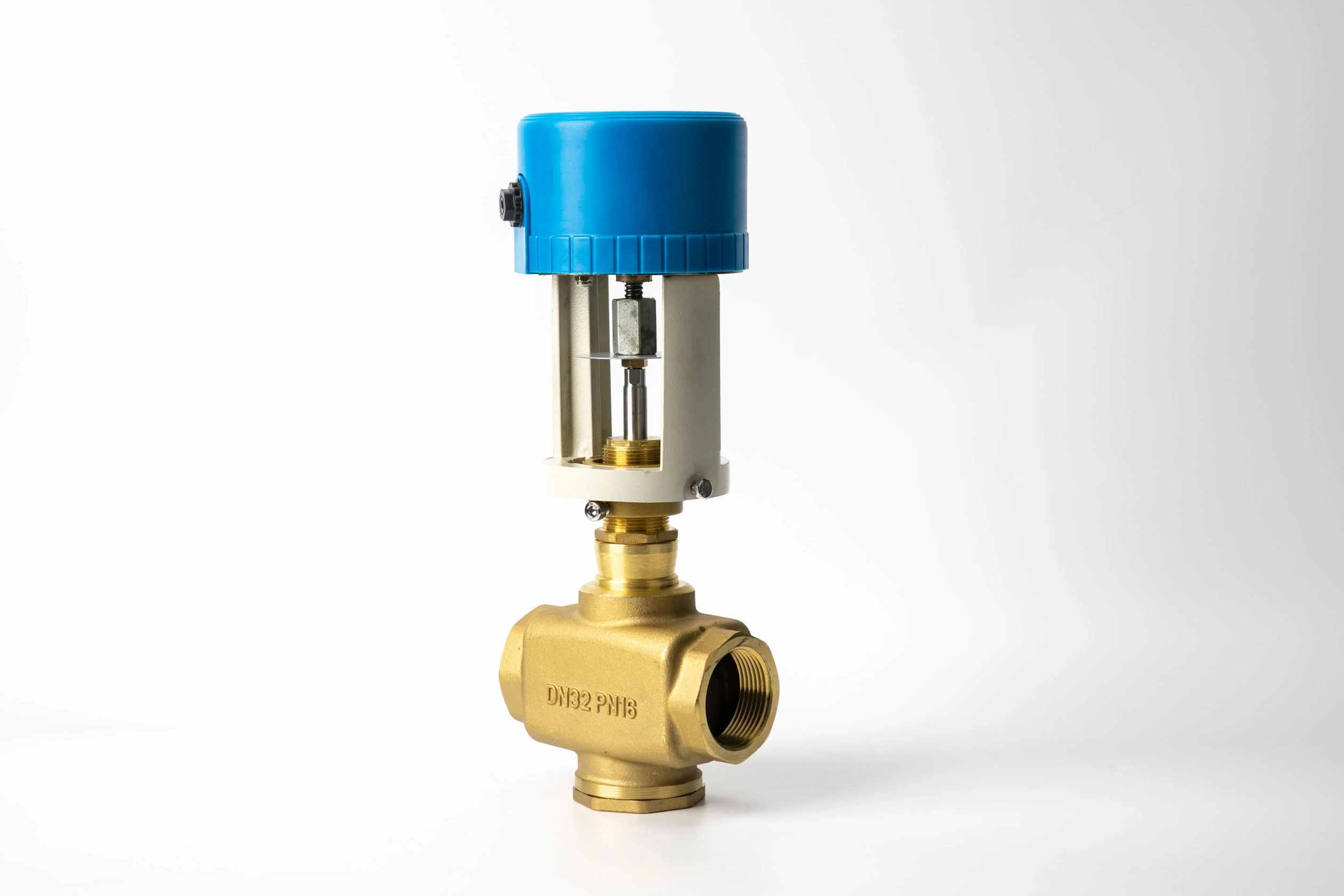
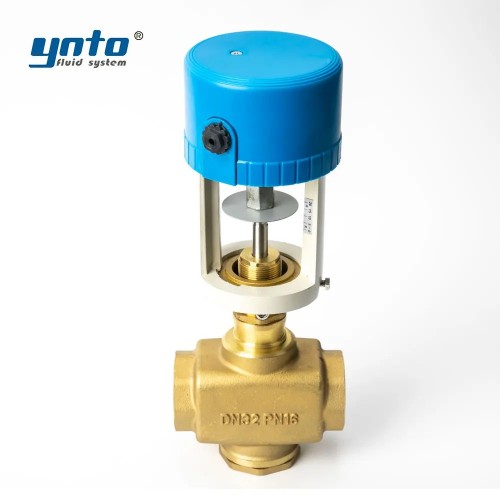
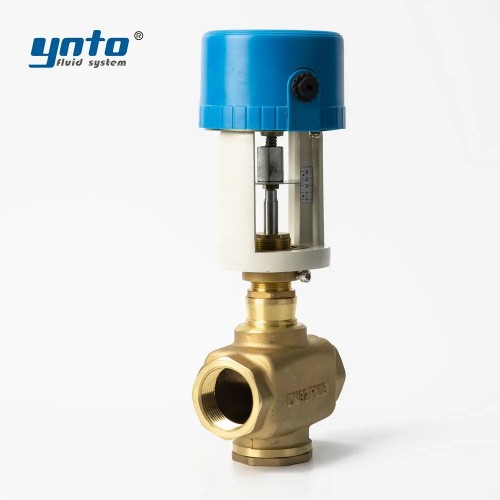
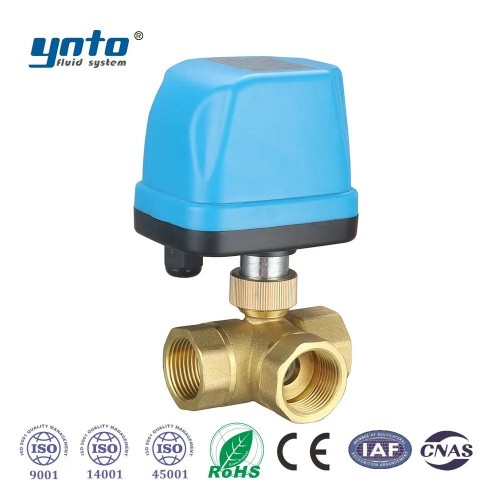
An HVAC zoning arrangement divides a building into independently controlled areas. In a hydronic system, thermostats communicate with a zone controller, which then commands individual valves to open or close the hot-water or chilled-water circuits serving each area. Two-way and three-way electric zone valves are commonly used with thermostats to regulate room temperature in fan-coil units, radiant heating loops, chilled-water branches, and other zoned applications.
This arrangement matters because a single thermostat cannot accurately represent every room. Solar exposure, occupancy, insulation, ceiling height, and equipment loads vary throughout a building. A west-facing office may still need cooling late in the afternoon while a shaded conference room has already reached its target temperature.
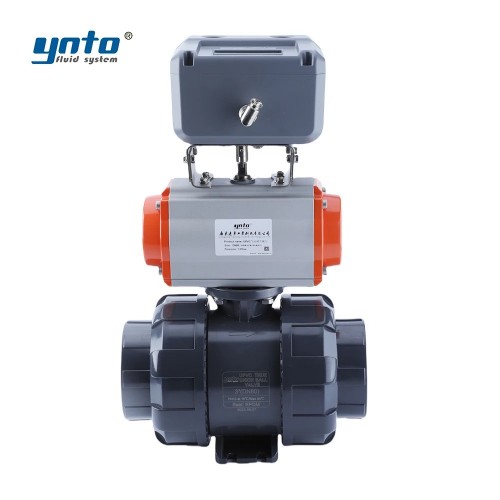
During HVAC installation, the engineer therefore considers more than nominal pipe diameter. Valve flow coefficient, available differential pressure, fail position, actuator voltage, closing time, and control signal all influence how the zone behaves. A full-port electric ball valve for HVAC water flow may suit a smaller branch requiring low resistance and tight shut-off, while larger chilled-water mains often favor butterfly-valve configurations. CNYNTO’s electric ball-valve range includes on/off and regulating arrangements for automated water-flow applications.
Engineers often notice that zoning problems blamed on “poor controls” are actually hydraulic problems. An oversized valve opens too much with a small control signal. An undersized valve introduces excessive pressure loss. Either condition makes temperature regulation less stable.
Understanding Zone Shut-Off Valves
Functionality and Design
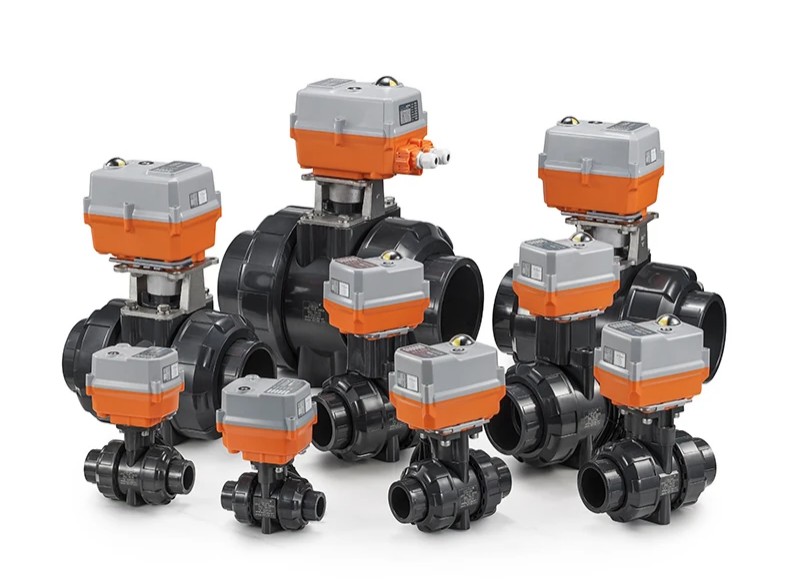
A zone shut-off valve receives a command from a thermostat, programmable controller, or building management system and changes the flow through a specific circuit. In a simple two-position arrangement, it is fully open when the zone needs heating or cooling and fully closed when demand is satisfied. A modulating design adjusts progressively, allowing the controller to match water flow more closely to the actual load.
Two-way valves isolate a branch. Three-way valves divert or mix flow, which may be useful where minimum circulation must be maintained. The choice affects pump operation and differential pressure across the network.
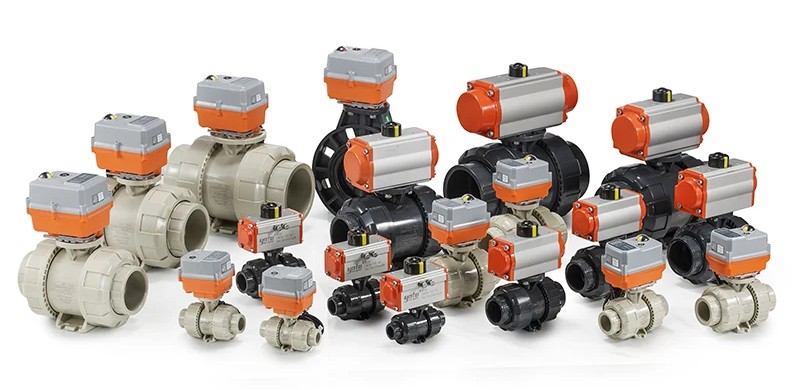
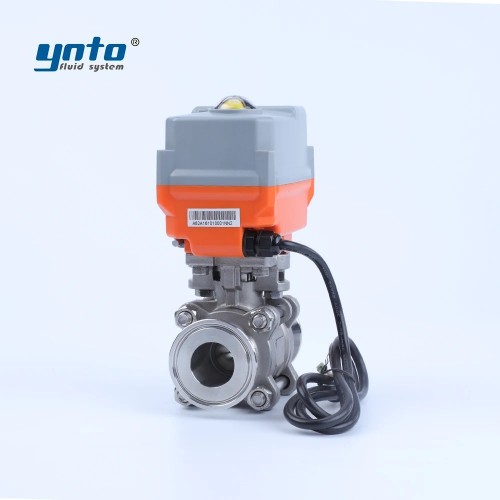
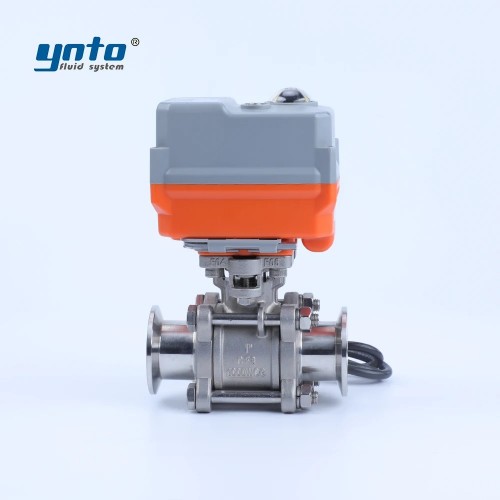
This is where actuator performance becomes important. In practice, engineers watch the valve’s complete movement rather than merely checking whether the motor receives voltage. A weak actuator may rotate under no load but stall once differential pressure acts across the valve. The YT-02 electric valve actuator, for example, is designed for two-way and three-way ball valves and butterfly valves, with on/off and intelligent control configurations.
One recurring failure chain is easy to recognize:
Repeated temperature cycling → elastomer compression and hardening → incomplete seat contact → bypass leakage → unnecessary heating or cooling.
A valve may look closed from the actuator indicator while still passing a small volume of water. In residential HVAC, that leakage can keep a room warm after the thermostat is satisfied. The thermostat in another zone then continues calling, the plant operates longer, and energy management deteriorates.
Types of Valves Available
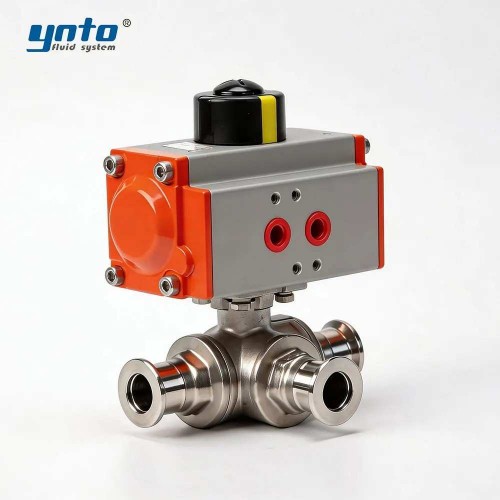
Ball valves are frequently selected for smaller hydronic branches because they provide low flow resistance and strong shut-off performance. Butterfly valves are useful in larger pipes, where their compact wafer or lug construction reduces space and weight. Control valves are preferred when the system requires proportional flow rather than simple isolation.
Material selection should reflect both the water chemistry and the operating environment. Brass and carbon steel remain common in conventional closed-loop systems. Stainless steel, including 316L, is more suitable where corrosion resistance, hygiene, or aggressive treatment chemicals matter. Duplex or Super Duplex would normally be reserved for unusually high-chloride or severe industrial service rather than routine residential HVAC.
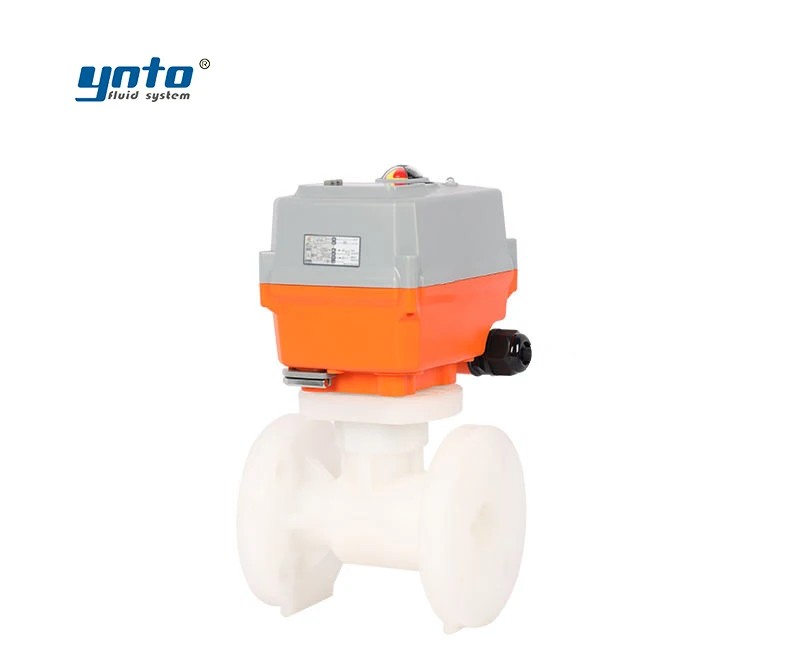
Seat materials also change system behavior. EPDM performs well in many hot- and chilled-water applications, while PTFE offers broader chemical and temperature resistance. FKM may be selected when oils, elevated temperatures, or particular treatment chemicals make it appropriate. CNYNTO’s electric soft-seal butterfly valve supports EPDM, NBR, and PTFE seat options, with configurations used in air-conditioning and water-treatment systems.
Protective coatings such as FBE may be specified on iron bodies in humid plant rooms or treated-water service. Halar-lined components belong to more chemically aggressive applications. Applying exotic materials without examining the medium, temperature, and lifecycle cost usually adds expense without improving the HVAC system.
Energy Management Through Zone Control
Saving on Utility Bills
Zone control reduces wasted heating and cooling by separating occupied areas from those with little or no demand. A programmable thermostat can adjust temperature according to a schedule, while smart thermostats may respond to occupancy, activity, or remote commands. The U.S. Department of Energy notes that maintaining the same indoor temperature continuously can waste energy and that programmable controls reduce this waste by changing setpoints at appropriate times.
The thermostat, though, can only request a change. The valve must execute it.
Suppose an upstairs thermostat reaches its setpoint and commands the zone closed. A correctly sized valve stops the flow, while the remaining circuits continue operating. If the valve leaks or responds slowly, heat keeps entering the satisfied zone. The boiler or heat pump must then compensate for an artificial load.
Another cause-and-effect sequence appears when several valves close simultaneously:
Reduced number of open circuits → rising differential pressure → valve noise and flow instability → increased pump stress → wasted electrical energy and premature component wear.
Variable-speed pumps, differential-pressure control, properly sized bypass arrangements, and modulating valves can manage this condition. The objective is not to close every branch as quickly as possible. It is to maintain stable fluid dynamics as demand changes.
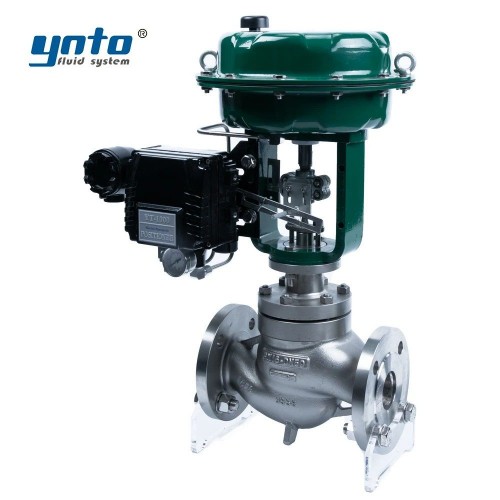
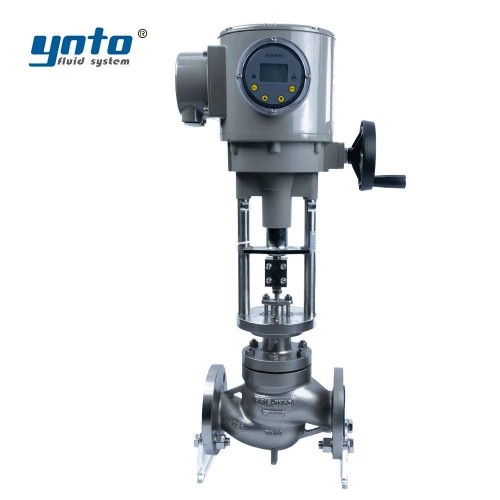
For large hydronic networks, a properly selected electric control valve can provide proportional regulation instead of abrupt on/off action. This helps reduce overshoot, stabilize return-water temperature, and support process optimization within the HVAC plant.
Impact on Residential HVAC
In residential HVAC, the benefits of zoning are most visible in multi-story homes, additions, finished basements, and buildings with uneven solar exposure. A thermostat in each zone gives the control panel a more representative picture of local demand, allowing dampers or water valves to direct heating and cooling to occupied spaces. Zoning systems can also restrict conditioning in unused areas rather than controlling the entire building from one hallway thermostat.
Comfort improves, but only when the hydraulic or airflow design remains balanced. Closing too many zones may reduce airflow across a furnace or heat pump, or reduce water flow below a boiler’s minimum requirement. This can cause high-temperature trips, coil freezing, short cycling, or excessive static pressure.
For engineers working on site, the practical lesson is straightforward: zoning must be designed as a complete system. Thermostats, valves, pumps, bypass devices, sensors, and equipment controls need compatible operating ranges.
Safety is part of this calculation. Hydronic loops carry pressurized hot water, and some central plants include steam or high-temperature water. Valve pressure ratings, actuator fail positions, electrical enclosure protection, and manual overrides should be reviewed before commissioning. No shut-off strategy should deadhead a pump or isolate equipment from its required pressure-relief path.
Compatibility With Smart Thermostats
Smart thermostats extend the value of zoning by adjusting schedules, learning occupancy patterns, and allowing remote control. Yet compatibility is not automatic. The thermostat output, zone controller, transformer capacity, actuator voltage, and valve wiring method must match.
Many residential systems use 24 VAC control circuits. Larger commercial systems may use floating, 0–10 V, or 4–20 mA control. Some modern actuators support feedback signals or digital communication, allowing the controller to verify actual position rather than assuming the valve moved.
A common commissioning problem occurs when the thermostat sends the correct command but the transformer lacks sufficient capacity for several actuators operating together. Voltage drops, one actuator stalls, and a zone remains partly open. The control panel reports no obvious fault because the command itself was valid.
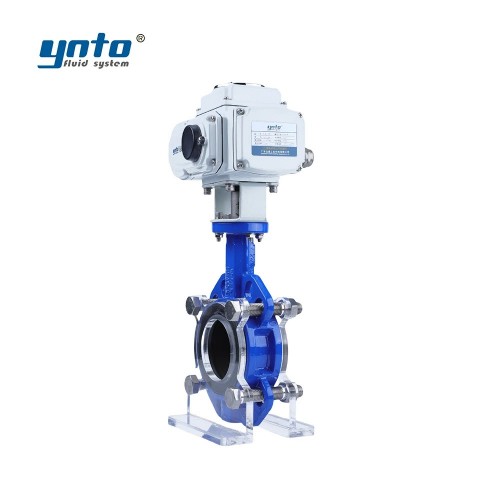
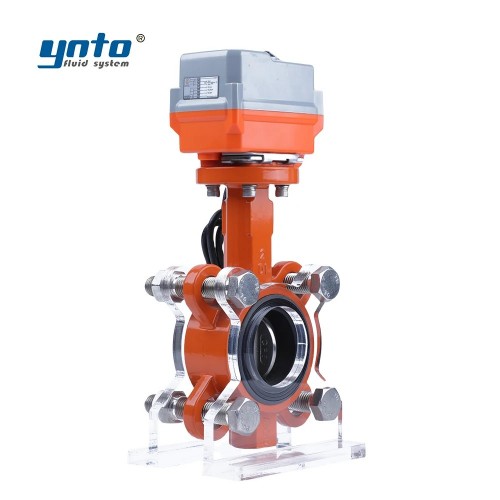
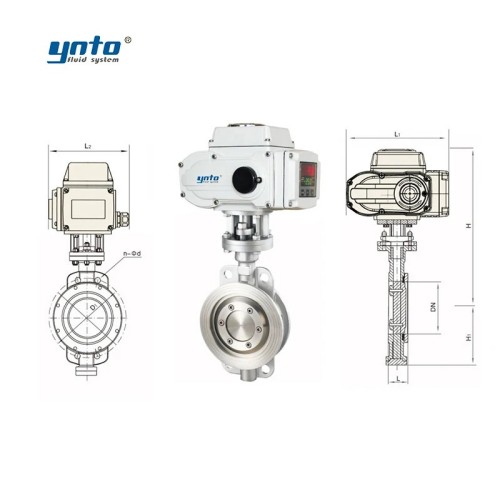
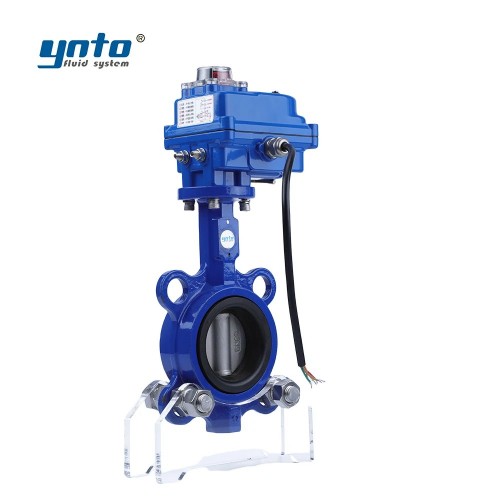
An intelligent actuator-equipped electric wafer-type butterfly valve can be considered for larger commercial HVAC branches where compact installation, feedback, regulation, and power-off reset functions are required.
During integration, engineers should confirm whether the valve is normally open or normally closed, how it behaves during power loss, and whether the thermostat requires an end switch before starting the pump or fan. These details determine whether smart thermostats deliver reliable climate control or simply add another layer of complexity.
Maintenance Tips for Optimal Performance
Effective HVAC maintenance begins with observation. A valve that closes more slowly than neighboring units, produces intermittent clicking, or runs unusually hot deserves attention before it fails. Maintenance teams should compare command signals with actual stem position, inspect wiring terminals, and confirm that the manual override moves freely.
Water quality matters as well. Dissolved oxygen, untreated makeup water, debris, and incompatible chemicals can attack stems, seats, and valve bodies. A strainer upstream of small control valves helps prevent particulate damage, but the strainer itself must be cleaned. Otherwise, rising differential pressure reduces available flow and creates the same comfort complaints the zoning system was intended to solve.
Valve exercise is particularly useful during seasonal shutdowns. A cooling valve left closed throughout winter may stick when called into service months later. Periodic movement keeps the seats from bonding and confirms that actuator gears remain functional.
Engineers should also trend temperature difference, valve position, pump speed, and differential pressure. A zone that requires progressively more valve opening to deliver the same output may have a fouled coil, air trapped in the branch, or declining pump performance. Replacing the valve without investigating the system can hide the symptom temporarily while leaving the real fault untouched.
Industry standards support consistent selection and installation. ASME B16.34 addresses pressure-temperature ratings, materials, testing, and marking for applicable industrial valves. ISO 5211 defines part-turn actuator attachment dimensions. DIN EN 558 covers face-to-face dimensions for flanged metal valves, while API 598 may be specified for valve inspection and leakage testing in industrial plant applications. API requirements are more typical of process or central utility plants than ordinary household HVAC, but they remain relevant where building systems overlap with industrial services.
Conclusion
An HVAC zone shut-off valve is a small component with a large influence on energy management. It determines whether a thermostat’s command becomes an actual change in water flow. When the valve is correctly sized, properly actuated, and matched to system pressure, it improves room-by-room temperature regulation without forcing the central equipment to condition spaces unnecessarily.
The engineering value becomes clearer when problems are traced through the system. A leaking seat increases unwanted flow. Unwanted flow extends plant runtime. Extended runtime raises energy use and accelerates wear. Likewise, poor valve sizing produces unstable control, which causes temperature hunting and repeated actuator movement.
For residential HVAC, the best results come from treating zoning as a coordinated design rather than a collection of independent accessories. Valve authority, pump control, thermostat compatibility, water chemistry, and fail-safe behavior all matter. For commercial projects, CNYNTO can support customized electric valve and actuator configurations, including OEM and ODM requirements for voltage, feedback, material, sealing, and control integration.
Reliable zoning is not about closing more valves. It is about controlling the right flow, in the right zone, at the right time.

- 2026-09-21 15:23:44
- 2026-09-18 09:42:46
- 2026-09-16 09:30:53